
India’s Nuclear Attack Submarine Plan Faces Delay, First SSN May Arrive Only By 2036
India’s indigenous nuclear powered attack submarine programme may face delays until 2036, raising concerns over underwater capability in the Indian Ocean Region.

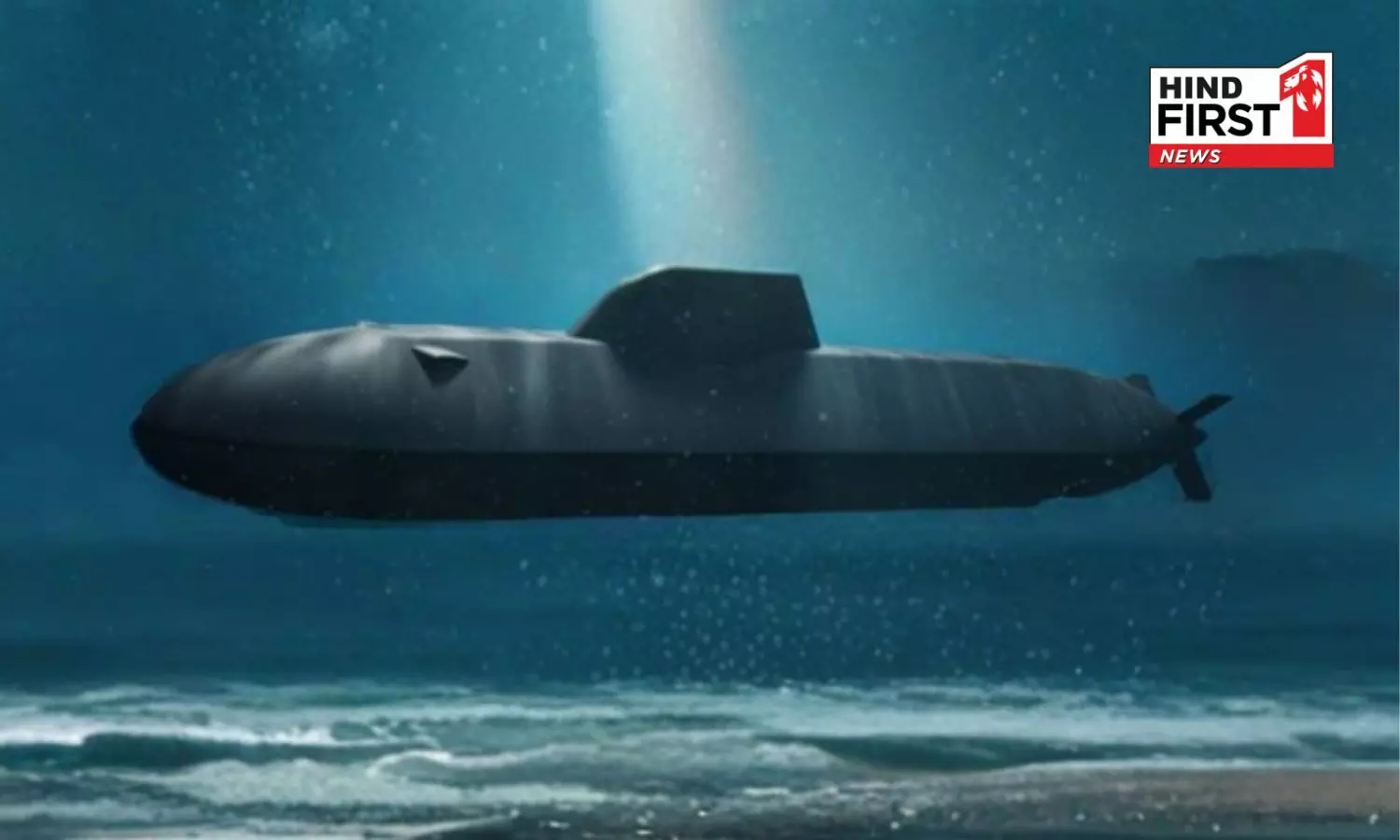
India’s plan to deploy indigenous nuclear powered attack submarines may face a delay of nearly two decades, with the first vessel now expected to become operational only around 2036, according to a report by The Times of India.
The delay affects India’s effort to strengthen underwater strike capability as security challenges grow in the Indian Ocean Region.
The Indian Navy currently operates a limited submarine fleet that includes diesel electric submarines and one nuclear ballistic missile submarine.
INS Arihant, commissioned in 2016, is India’s first nuclear powered ballistic missile submarine. It primarily serves as a strategic deterrent platform. Its operational role differs from nuclear powered attack submarines, which are designed for high speed underwater operations and offensive missions.
Nuclear powered attack submarines, also known as SSNs, can operate underwater for extended periods. They can travel at speeds above 30 knots and carry cruise missiles for precision strikes while maintaining stealth.
India’s SSN development effort is part of Project 75 Alpha, a programme launched through a 2019 intergovernmental agreement with Russia. The project aims to build six SSNs at the Shipbuilding Centre in Visakhapatnam.
The report said progress has slowed due to supply chain disruptions, technology transfer challenges and funding constraints. Parliamentary assessments indicate that the first SSN keel laying could be delayed until 2028. Sea trials may start around 2032, with full operational deployment projected by 2036.
India’s conventional submarine fleet is also ageing. The Navy currently operates around 11 diesel electric submarines with an average age of more than two decades.
Plans to procure new conventional submarines under Project 75I have also faced delays after years of evaluation of global contenders, including Germany’s Type 212 design and Spain’s S 80 submarines.
The developments come as China expands its submarine fleet. China’s navy operates more than a dozen nuclear powered attack submarines and continues to build additional vessels, including the Type 093B Shang class.
Pakistan is also strengthening its underwater capability with Chinese supplied Yuan class submarines. Eight vessels are expected to be delivered by 2028.
India has previously leased nuclear attack submarines from Russia to bridge the gap. INS Chakra, an Akula class submarine leased from Russia in 2012, is scheduled for decommissioning by 2025.
India’s indigenous nuclear submarine development continues under the Advanced Technology Vessel project. The programme has produced strategic submarines such as INS Arighat and the upcoming INS S4.
The nuclear reactor for the SSN fleet is being developed by the Defence Research and Development Organisation and the Bhabha Atomic Research Centre. The design includes a 190 megawatt pressurised water reactor derived from the reactor used in INS Arihant.
Officials say India’s submarine modernisation programme may require more than ₹1.2 lakh crore over the next decade as part of the Navy’s long term capability plan.
The delay highlights the challenge of strengthening underwater defence capability amid increasing naval competition in the Indo Pacific region.


Credible. Clear. Impactful
